Slow Cinema, Male Nudity, & Censorship: An Interview with Wang Bing
An exclusive interview with one of the world's most important filmmakers.

Wang Bing is one of the most important filmmakers in the world. Best known as the man behind massive nine-hour-plus cinematic tomes, he carved out a unique style in the world of extreme-cinema verité documentaries with films like Youth (Spring), enmeshed in the world of young textile workers in Zhili, and Dead Souls, a gruelling and politically-humanizing account of Gobi Desert labor camp survivors in Gansu. In many of his best-known films, the titanic runtimes waterboard the viewer with the same unpleasantness experienced by his plebeian characters. The experience of the laboriousness of viewing his movies is inseparable from what makes them great.
No one makes movies like him.
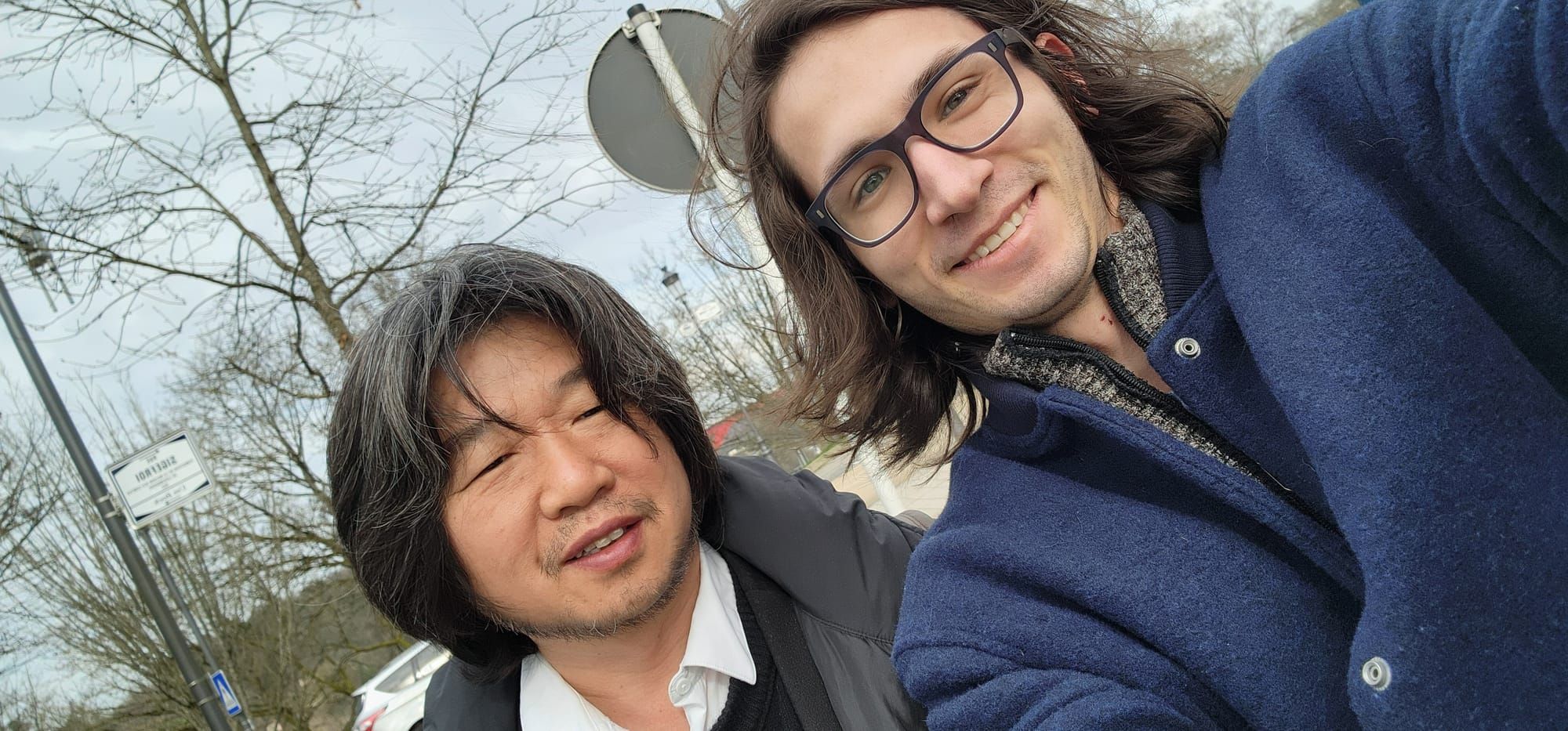
I was grateful to first meet him in Luxembourg a few years ago at the Luxembourg City Film Festival. We met the day after a screening of Spring while we were both doing tourist activities. He, I believe, was about to explore the Bock Casemates.
This interview was conducted over Zoom, with Mandarin-English translation provided by Shiyu Wang, on the occasion of a rare marathon screening of Wang’s nine-hour debut epic Tie Xi Qu: West of the Tracks at the Alula Film Festival.
In our brief conversation, we discussed receiving permission from interview subjects, the frequency of non-sexualized male nudity in his films, what he thinks about being called a maker of “slow cinema,” and the bans on his films in China.
The following interview has been condensed and edited for clarity.
Joshua Polanski: Right after asking you for your permission to record, I actually wanted to ask about the process of getting permission to record your subjects, particularly in the workplaces in Tie Xi Qu: West of the Tracks and Spring because you’re recording them at very tumultuous times. You see workers lose their jobs, you witness them in very vulnerable moments.
How difficult is it to get the necessary permissions?
Wang Bing: At the beginning of shooting, I always ask for permission and if they're willing to participate. Some people don't and some people do. That’s just how it is.
I get [the managers’] approval too; otherwise, they won't let you film.
JP: Do you ever stay in contact with the workers in your films?
WB: For the characters in Spring and Homecoming, yes, I still have contact with them. But for Tie Xi Qu, that's a long time ago. I lost contact with them.
JP: You filmed the factories in West of the Tracks at a critical time of layoffs and factory closures. Had it been a less pivotal time, it could have easily been a less interesting film. How much of filmmaking is just luck?
WB: It's really hard to tell because every story is different.
JP: What about West of the Tracks specifically? That was a very pivotal time from 1999 to 2001 for those factories. It’s technically possible to be able to predict some events based on the economic situation, but did you have an idea of the sort of trouble that would come when you started?
WB: No, I didn't really know. Even though, according to the economics of China, I thought that [these events] could happen, I didn't know they would happen for sure when I actually started filming.
JP: I watched Man in Black yesterday and Wang Xilin is naked the whole film. There's a lot of non-sexual male nudity in your films, though. It’s almost a trademark of yours. I’m curious, why do you think that is? What exactly is it about non-sexual male nudity that you think may communicate something about humanity more broadly?
WB: Tie Xi Qu is a very special case because under [the] Chinese planned economy, people normally live in the factories as well. It’s not just going to the factory for work. The workplace is a second home for those workers. They spend a lot of private time there, including taking a bath and other things that are extremely private. This is very typical Chinese. That’s why I have those images.
For the nude bodies in the factories, I wasn’t purposefully capturing them. They just happened naturally. I just recorded those things as a documentary filmmaker.
Man in Black [is a different case]. I chose to film it in nudity. I didn’t know what clothes would match the environment in the theatre. We actually filmed in very old traditional theatres. I thought that only nudity would go with it because I couldn’t imagine any outfit making sense in that environment.
[And it was] also because of the character. He went through harm [because of] political changes. He was a political victim. These victims normally would have scars like his on their bodies. I wanted to expose the audience to the kind of body that went through all those traumatic things.
JP: What do you think of the designation of your films as slow cinema? Do you agree with it?
WB: Perhaps. Critics and academics have the freedom to say whatever they want. To a certain degree, yes, it is [accurate].
But my films just have a lot of content, and they are not like other films that have a very dramatic line. They have a lot of content that makes them extremely long. And if you show them in segments, they are not slow. They’re not slow at all.
JP: The first film I watched of yours was Spring, when we first met at the Luxembourg City Film Festival. It was very immersive to me, even though it is about a subject in working conditions that more casual viewers may find difficult. To me, the experience of enduring the long runtime felt so important to actually understanding life for those workers. The same thing goes with the West of the Tracks: a two-hour documentary couldn’t replicate the working conditions the way you do.
What do you think about the relationship of cinema more broadly, but specifically your cinema, with time?
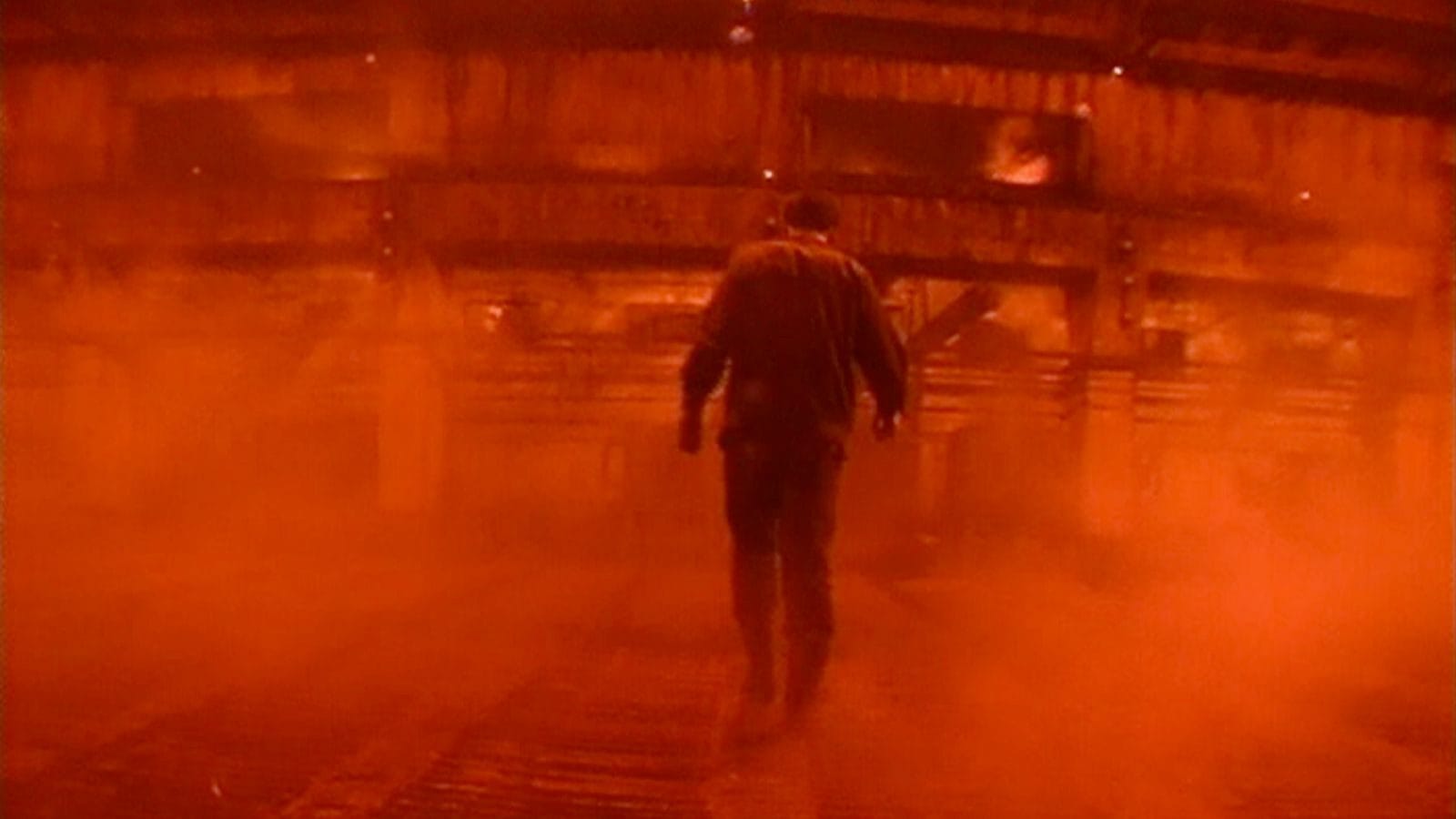
WB: First, it’s just because the content I want to show is a lot. That’s why I always have a long run time. Second, I want to show reality in the film, including time. Time is one part of the reality I show.
[Generally speaking], it depends on the filmmaker. Sometimes it’s more appropriate for people to watch films in the cinema that are under two or around three hours.
JP: Do you ever rewatch your films? Did you watch Tie Xi Qu in California at the Alula Film Festival?
WB: I rarely revisit them because I have already spent so much time making them. I had enough of them while editing. But I did watch a little bit of Tie Xi Qu at Alula.
JP: How do you feel about some of your films being banned in China?
WB: It has always been the case that my movies can’t be shown in China. Even Tie Xi Qu wasn't shown. That’s just how China is, and there's nothing I can do about it because China has a very special political system.
JP: Thank you for doing this interview. Thank you for your time.
WB: Thank you. Thank you.