Fritz on Fridays: The Testament of Dr. Mabuse
The Testament of Dr. Mabuse is the closest to a Gesamtkunstwerk film that Fritz Lang ever got.

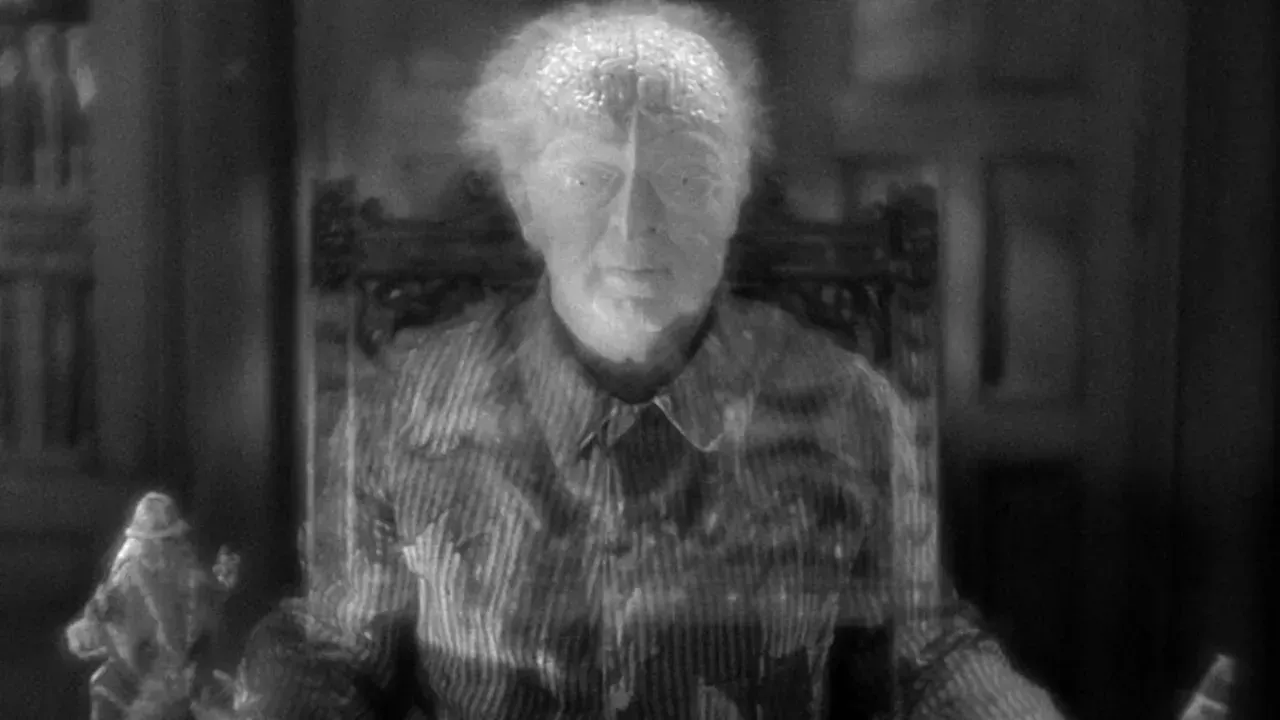
On the first Friday of every month, this column by critic Joshua Polanski will feature a short review or essay on a film directed by Fritz Lang (1890-1976), the great Austrian “Master of Darkness.” Occasionally (but not too occasionally), Fritz on Fridays will also feature interviews and conversations with relevant critics, scholars and filmmakers about Lang’s influence and filmography.
German composer and theater director Richard Wagner, in essays he wrote between 1849 and 1852, coined the term Gesamtkunstwerk. It translates to something like “total artwork,” and Wagner employed it to describe his mission, a typically Romantic one, to rejoin the arts with each other. The arts, with their distance from their origins in antiquity, had grown divorced from each other. To remedy this, he sought to unify his operas by using all of the various elements or mediums for the same, all-encompassing goal. It was an attempt to precisely “direct” every aspect of an opera to generate the intended emotional effect.
The Testament of Dr. Mabuse is the closest to a Gesamtkunstwerk film that Fritz Lang ever got: Every second, every frame, every sound is meticulously, almost dictatorially, placed.
Clang. Clang. Clunk. Right away, something is different about Testament: The oppressive sounds of a print factory overwhelm the viewer or, perhaps, “audience” is a more suitable term with how intentional Lang combines sound and image in his second “talkie.” Clang. Clang. Clunk. The actors in this first scene, a game of cat-and-mouse between criminals and a former cop, Hofmeister (Karl Meixner), wouldn’t have much to change in their acting had this been a silent film: It’s all physical, slightly exaggerated in the tradition of theatre and mostly dialogue-free. Clang. Clang. Clunk. The volume of the metallic sounds grows as if trying to out-perform the visual chase. The rhythm creates an inevitability that Hofmeister, no matter how fast he runs or where he tries to hide, can never evade. Fate awaits.
The Testament of Dr. Mabuse is, in the most technical of definitions, a sequel to two separate films: 1922’s Dr. Mabuse the Gambler and 1931’s M, which was the director’s first sound film and the immediate precursor to this film. To add to the confusion, there isn’t just one The Testament of Dr. Mabuse but two: one in German and one in French, with a unique set of actors to accompany both.
Continue reading at the Midwest Film Journal.