We’re Nothing at All
Without our connections to one another, we are nothing at all.

“In an avalanche, no snowflake is innocent.”
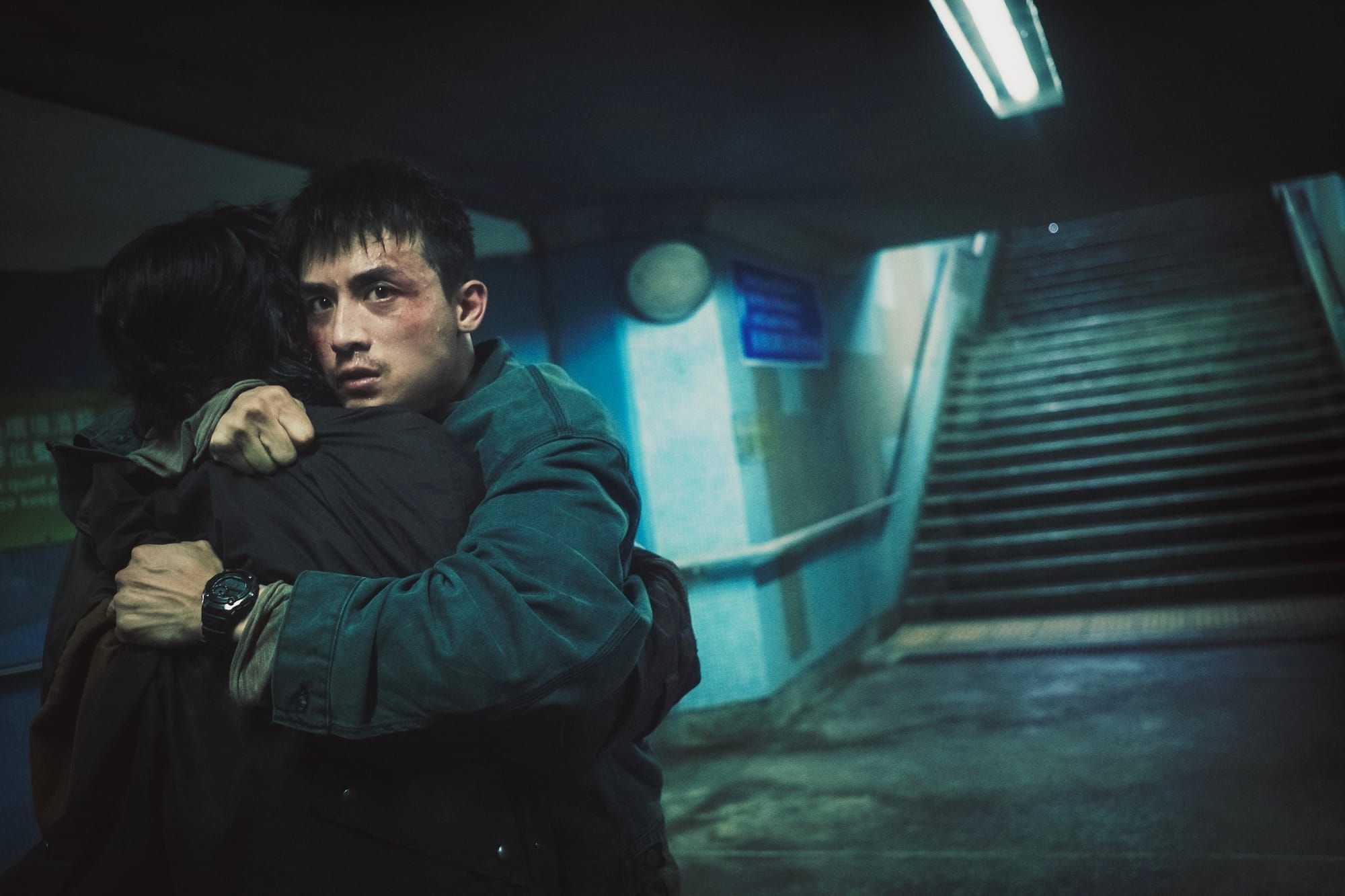
It is only by a miracle that We’re Nothing at All exists. Two Cantopop idols, Ansonbean and Anson Kong, play gay lovers ostracized and beaten down by society to the point of suicidal terrorism in a film equal parts tragic and romantic. The Chinese social issues genre and Hong Kong Category III (their 18+ rating system) graphic sensibilities coalesce in a film where everyone is gay. Even the third lead, Investigator Lung (Patrick Tam Yiu-Man), acts on his same sex attraction. The miracle maker is Herman Yau, Hong Kong cinema's most famous bad-boy director and provocateur. He entirely self-funded the passion project that cannot be shown in the mainland due to its subject matter.
A double-decker bus explodes on Valentine’s Day and at least a dozen people die. Forensic investigator Lung comes out of retirement to play Sherlock Holmes with the crime scene: Where was the bomb? Who are the victims? Which of the vulcanized bodies were the perpetrator(s)? From here, Yau pulls us to two pasts (making three different timelines total). In the first, street sketcher Ike (Ansonbean) draws Hong Kong’s past and sells his art to tourists before he runs into trouble with authorities for not having the proper permits for his street stand. He draws Fai (Anson Kong, from the band Mirror), a construction worker down on his luck after a failed strike, and the two men bond romantically over intercourse, suicidal ideation, and trauma dumping about their abusive fathers. The third timeline is the farthest lodged in the past: Lung’s own extramarital encounters with another man (Thor Lok Chun-Wai). His marriage has healed, his wife (Kearen Pang) has overcome her initial prejudice, and he is proudly pansexual in the present.
We’re Nothing at All is a simple film about the life-saving force of our social networks. In a better world, Ike and Fai love another and share a life together. In the world they are given, the homophobia is too profound, the abuse is too scarring, and the socio-economic context is too fragile for their capacities to endure it. Both men attempt suicide at various points, and both find themselves outcast from their families. But Lung, the queer man with strong social support, manages—after some tribulations of his own—to live a good life.