Wartime Affairs: An Interview with Žygimantė Elena Jakštaitė on How to Divorce During the War
"I'm very happy to be living at this moment and to see Lithuanian cinema succeed."

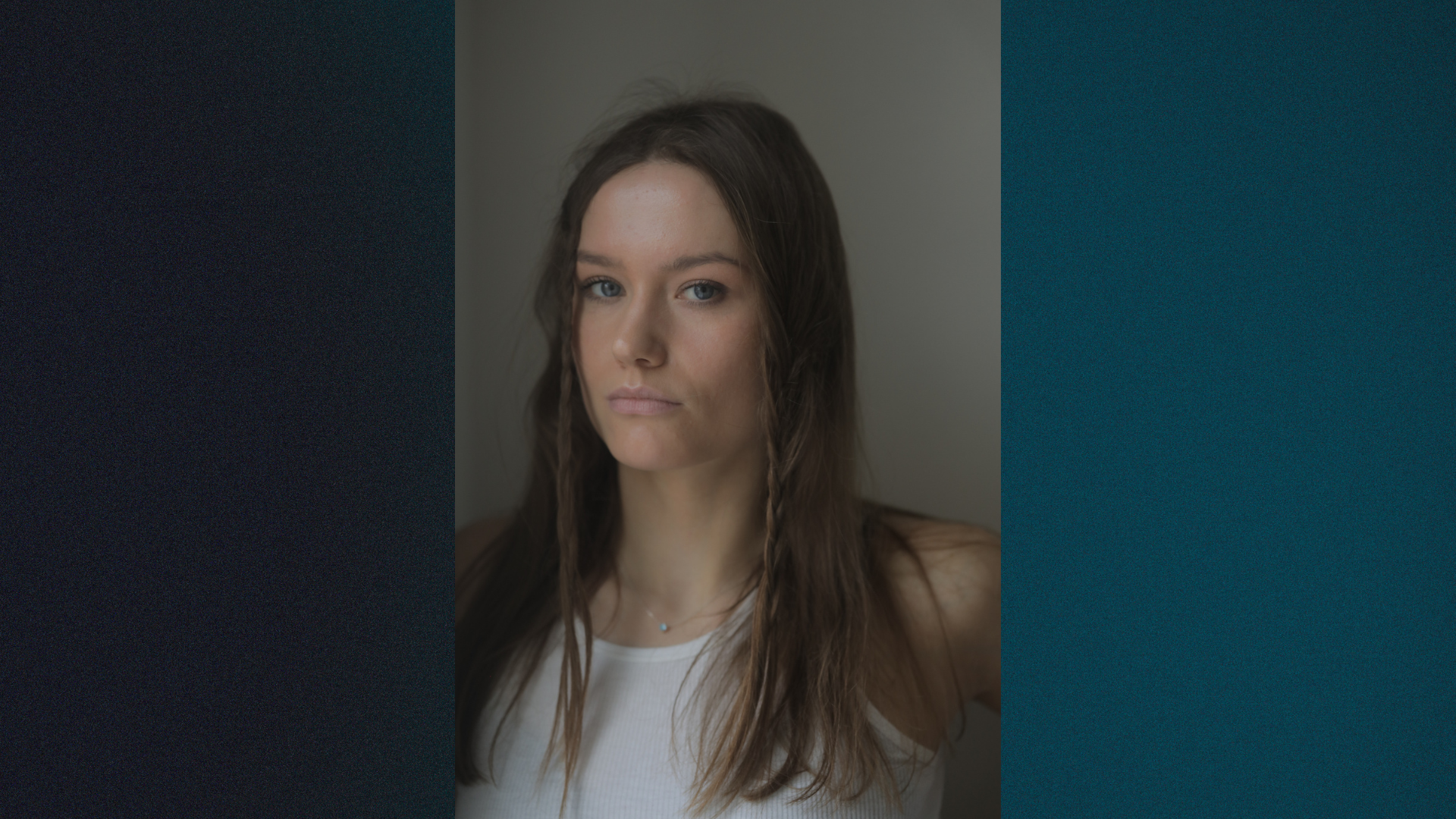
Žygimantė Elena Jakštaitė became an instant force in Lithuanian cinema with her debut leading screen performance in Runner in 2021. She plays a young woman named Marija who races across the city in search of her unstable boyfriend. She was no stranger to acting—she studied at the Lithuanian Academy of Music and Theater and works professionally in the National Drama Theater—but her newness to the camera gives the film a difficult to fake rawness. Andrius Blaževičius directed the film, and it wouldn’t be their last collaboration together.
Renovation, directed by Gabrielė Urbonaitė, was my fourth favorite film of 2025. Jakštaitė plays Ilona, a Lithuanian-Norwegian translator caught between two men at a precarious turning point in her life. She recently moved in with her boyfriend, and their new apartment requires some maintenance before she can call it home. A handsome Ukrainian construction worker blamelessly captures her attention. The film is effortless in its ability to authentically capture the drama around turning 30: one’s relationship to themselves, their sexuality, their desires, and their anxieties interact with each other in equally creative and destructive ways. Jakštaitė cathartically mixes desire, reservation, and explosive emotion as Ilona, a woman I resonate with deeply.
Žygimantė Elena Jakštaitė won’t be on the peripheries of European cinema for long. She won the European Shooting Star Award in 2021 and, most recently, was the lead in Blaževičius’s latest film, How to Divorce During the War, which won the Directing Award: World Cinema Dramatic at Sundance 2026. The film is wrapping up its festival rounds now and heading to Lithuanian cinemas. It follows another woman, again named Marija and again played by Jakštaitė, in a fragile romantic relationship with a man. The Russo-Ukrainian War is again in the background, and another romantic interest catches her eye. I think it’s a more complicated performance that asks for greater subtlety from Jakštaitė than her descriptively similar role in Renovation.
I had the pleasure of interviewing Žygimantė Elena Jakštaitė around the release of How to Divorce During the War for approximately half an hour via Zoom. Our conversation touched on Marija’s queerness, the differences between Marija and Ilona, growing as an actor, how the war is affecting Lithuanian cinema, the challenges facing the local industry, and more.
The interview has been condensed and edited for clarity. Read my full review of the film here.
Joshua Polanski: Thank you, Žygimantė. I wanted to ask you what first compelled you or attracted you to How to Divorce During the War?
Žygimantė Elena Jakštaitė: It’s hard to say. In Lithuania, the film budget from the government is about 10 million a year. Only five, six, or seven films are made during the whole year. So, living in Lithuania, you only have so many films to choose from. This is just one aspect of this situation.
How to Divorce During the War is the third film of Andrius Blaževičius, and we had been working on his second film, Runner. It was my first film with a leading role, and so, there was no hesitation towards this material. The screenplay was amazing. There was no question for me whether to act or not.
JP: There is a very important day that comes in the film where there is a sudden plot development: the day that the war became a full-scale invasion. People from the Baltics that I know all remember where they were that day.
Where were you that day? Did that play a role in your presentation of the character?
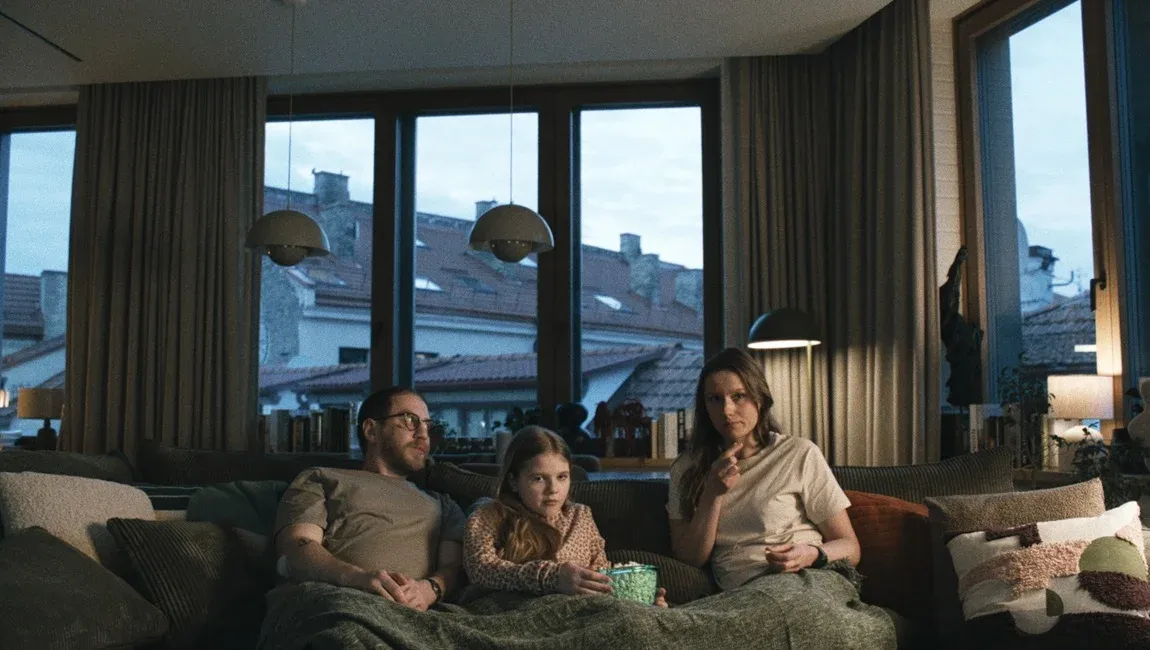
ŽEJ: The frame where Vytas wakes up and Marija tells him that the invasion has started, [the reaction on] his face is probably most people’s. The reaction was like that. I’m also very curious for the film to get screened in Lithuania because I know that many people will recognize themselves as well.
[My] reaction was exactly like Vytas in the morning. My husband came, told me, and I was trying to comprehend. The following days, I was on the ground in front of the news all the time—like many, many, many people in Lithuania. It was quite the same for everybody. It was hard to stop watching the news because you always want an update on what is going on and whether they take Kyiv or not. We were always on this news stream, and then it was depressing.
Three [women] of my grandma's generation—my grandma, my grand-grandma and grand-grand-grandma—were deported to Siberia by Stalin. This trauma reappeared, and this feeling of weakness, total weakness and despair. The fact that they didn’t succeed in taking Kyiv is like a miracle, and it was so hopeful. Of course, everything is awful, but still Ukrainians are so strong. Their courage is amazing. For us, it’s very personal, extremely personal. It’s our family’s history. Like many of us.
JP: Thank you for that vulnerability. The film won a major award at Sundance, which of course is a huge win for your team, but also for Lithuanian cinema. When did you start to have a sense of the film’s potential to be something special?
ŽEJ: We first had a sense when a lot of co-productions appeared. Andrius went to the Berlinale market and, after some time, many co-productions joined: Luxembourg, then Ireland and the Czech Republic. It’s not very common in Lithuania to have so many co-productions. Obviously, the screenplay was already very good, but when we came to Sundance, I had no clue. I had no clue because I have never experienced anything like that. Runner was quite successful, but it came during the pandemic, so it wasn’t anything like this. It wasn't even in my mind that we could win, actually. It was a surprise. We watched another film, Tell Me Everything, and it was so good. I watched the film, and I thought, “Oh my God, all of the films here are so good. There is no possibility for us to win because these are the greatest films from around the world.’’
It was a big surprise for me, and it was hard to believe.
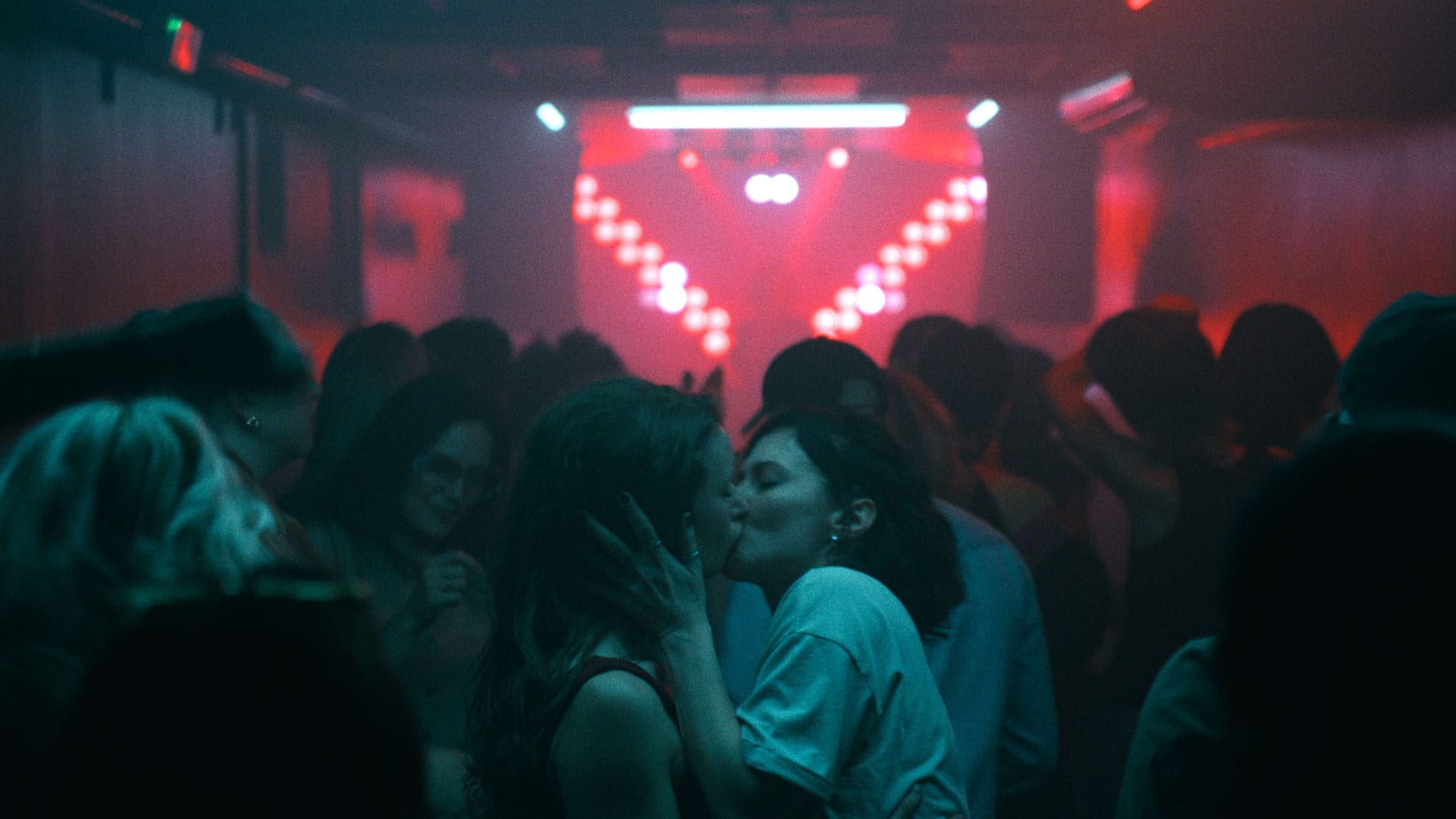
JP: Your character in How to Divorce During the War, Marija, is bisexual, but she's also allowed to just exist as a bisexual person. The film doesn't really ever become about her sexuality. I’m wondering what was important to you as an actor in regards to how you presented Marija's sexuality?
ŽEJ: When we were talking with Andrius, we wanted to not make of it a big deal. Maybe because in Lithuania we have some homophobia. I don’t know whether it’s a little bit or a lot. It’s hard to tell because, obviously, my surroundings are very open. We wanted to not pay attention to that because it’s so normal.
When we were talking with Andrius, he said that there are actually so many stories about homosexuality, but they are not reflected in Lithuanian cinema. He wanted to reflect real life and real people. For me, it wasn’t even a question. It was just very, very normal. We don’t even talk that much about it. It made no difference whether the lover of Marija would be a man or a woman. It was not some big plan, and there was no big thought beneath.
JP: That’s interesting. When I interviewed Romas Zabarauskas, he said that queers have a disproportionate representation in Lithuanian cinema. He joked about how we don’t have equality, but at least we have the movies. Ever since then, I’ve been thinking about how I’ve seen queerness show up in Lithuanian cinema beyond just the movies that are explicitly about queerness. This was one of them. Five and a Half Love Stories in an Apartment in Vilnius, Lithuania also has one story about gay men. It is interesting to hear almost the opposite reaction from you in that these stories still aren’t being told enough.
ŽEJ: Maybe those kinds of stories, like when we are speaking about a woman who was living with a man, and she falls in love with a woman. At the end of the day, there are many situations around us, and this was the real story for somebody. Maybe it’s from that point of view.
JP: This is your second film with Andrius. How do you feel you’ve grown as an actor since Runner?
ŽEJ: That’s an interesting question because Runner was such a major experience for me. It was a big role for me, and it was the first one. Afterwards, it was maybe a little bit hard to play anything else because it was so strong and big. I don’t know whether I grew—well, yeah, of course I grew. I have more confidence, [and] some kind of understanding of what I want to convey or what I want to say. There will never be a situation where you are doing something for the first time again. This was the experience with Runner for me: something that strongly kicks out of you, which you never knew you had. I would say Runner was the strongest experience in cinema for me. I don’t know whether I’m growing or whether I'm just experiencing something else.
JP: How would you like to grow?
ŽEJ: I would love to try to act in English, which I haven’t done yet—well, maybe a little bit—but I’m always curious whether I can. It’s interesting for me because the language is so related to acting.
Being surrounded by talented people always makes you grow, so every actor’s dream is to work with talented and amazing directors who make you grow. Those interactions make you grow: something that you can learn from others, from the director, from the script, something that challenges you. But it is always about the human beings. It is about the people you meet because they can share and you can learn from them. I’m very eager to work with talented people and talented actors, and that is what would make me grow.
JP: Was Andrius’ direction different at all this time around? I know it’s a different film, but did you feel like it was a very familiar set or did it feel different in new ways?
ŽEJ: It felt really different because the first time I felt like a princess. I was so important, and it was my first time. Whenever I came to the set, it was only when they started to shoot. They were always waiting for me to come, and I felt like maybe I was in heaven. Everything was about me, and I felt so important. I got to do something that I was dreaming of all my life. The camera was so close to my face, and I felt like the world was turning around me.
When we were shooting How to Divorce During the War, there was even one moment when I thought, "Am I doing something wrong? Why? The camera is so far away. Maybe I don’t know how to act anymore. Maybe they don't want to film me?” But, of course, it was the storytelling, and I was a part of the bigger picture.
It was more humbling. Also, and maybe more deeply, when I was playing Runner, I was basically a little bit playing myself. The story was very relatable for me. I understood every single step. When I was playing Marija in How to Divorce During the War, it was different. I do not have children of my own at this point in my life, and I don’t know what it means to be some very rich company person. It felt like I had to connect to different human beings than who I am in my world. I was very afraid of that because I didn’t know whether I would feel [grounded] as Marija. She felt more experienced in some areas than me, but, along the way, I connected and something stronger or bigger took the lead.
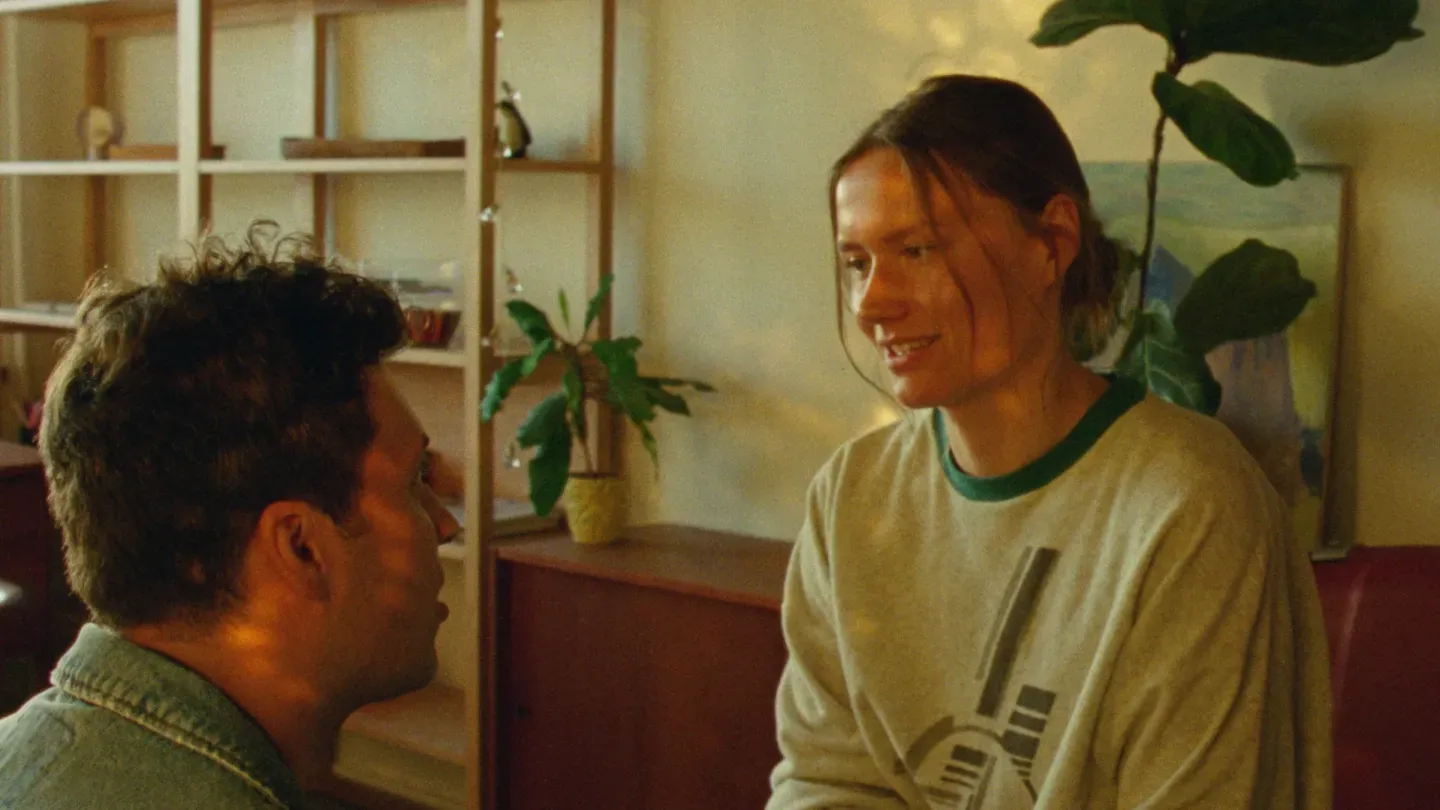
JP: On some level, you play a very similar role in How to Divorce as you did in Renovation. They are both women in committed relationships with men who then briefly become entangled with somebody else while the Russo-Ukrainian war becomes more important in the background. Both films also end on hopeful notes, although I think in very different ways. How different was it to be Ilona versus Marija?
ŽEJ: Very, very different. The temperament was different. The motivation was very different for Ilona. They’re at very different stages of their lives. Ilona, I can understand her. She is more like my friends or me when she’s trying to figure out how to succeed and to be more stable in her life. Marija is already standing her ground, and her problems are very different. She has a lot on her shoulders. She has a company, she has a child, she has this husband that is struggling with his writing, and she’s handling everything on her own.
Ilona is less mature and still in the process of trying to get confidence in herself and to build a life for herself. It’s very important for her to know what her mom thinks and then what her boyfriend thinks. I don’t know if it’s visible, but they are totally different stories for me—totally different worlds.
I don’t know whether you can see it from somebody who sees the films; for me, it’s totally different. Can you see it?
JP: Oh, for sure. The similarities for me aren’t tonal or aesthetic. It is just when you describe what’s happening in their lives, they share a lot. The war plays a big context for both of the films, and there’s this similarity, but, of course, that is also just the world now. When you're reflecting contemporary Lithuania, you’re going to have the war in the background.
ŽEJ: Definitely. We are traveling around the world, and we are speaking with audiences around the world. We are being a little bit of advocates and spokesmen about it. It is the least we can do. I’m really happy that Lithuanian cinema reflects the war because at least we can spread the word and make room to speak about it with the audiences around the world. So, I feel this is good.
JP: I've seen it to a small extent too. At the Boston Baltic Film Festival screening of Renovation, there was a Ukrainian man in the audience. He stood up at the end and gave a short speech about how much the film meant to him and various symbols in the film that were important to him that he wanted to make sure others noticed.
ŽEJ: It is very important for us that if there are Ukrainians in the audience that they not be offended; it’s very important for us to hear that they’re with us in a way.
JP: Big question. What are your general or overarching thoughts on the state of Lithuanian cinema? What do you think are the biggest challenges facing Lithuanian cinema moving forward?
ŽEJ: Lithuanian cinema is obviously on a very strong and great wave. Through the festivals, with people traveling around the world, I can feel that people are paying attention to Lithuanian cinema. I’m very, very proud of it. I'm very happy to be living at this moment and to see Lithuanian cinema succeed. We don’t need to take it for granted because it’s not so easy to get into the festivals or to win something in the festivals. It's really hard.
Lithuania is very rich in human resources. We have a lot of very creative, very educated, and collaborative people. It’s very important that in Lithuania, cinema is somehow very collaborative. People are friends and they help each other.
At the same time, the problems that we’re facing at this moment are due to the war. The [national] budget in Lithuania is directed to defense, which is totally understandable and totally fair and the most important thing. But the politicians in Lithuania don't understand the power of cinema in the way the French or Brits or Americans do. Even Russians understand the power of spreading your mark. It’s soft power.
It’s a very important area, and we can see that when we’re traveling around. But politicians in Lithuania … [are] lacking education in the arts. It’s still not properly understood how important and powerful films and art itself can be.
Also, it is part of defense. Telling our story, telling others about ourselves makes us safer. The lack of confidence in artists and the lack of respect and resources as well are a challenge.
JP: I know that’s a big question. I don’t mean to throw the state of cinema onto your shoulders, but I was curious. Your film is an important film for your country, and your last two films have also been very special to me. Renovation was one of my favorite films of last year, and I wouldn't be surprised if How to Divorce During the War finishes pretty high up there too. I am just curious about your thoughts because of this.
ŽEJ: That’s so sweet. Thank you.
JP: What’s next?
ŽEJ: I’m working in the Lithuanian National Drama Theater. I’m an employed actress there, so I’m constantly working on Lithuanian theater stages and traveling around with performances. This autumn, I’m going to work in the theater. Later on, we’ll see. As I said, in Lithuania we have only so many films coming out during the year, but I will maybe have some parts. Still negotiating. I will work, but it will take a long time.
JP: Thank you, Žygimantė.
ŽEJ: Thank you. It was so nice to meet you. Thank you for your questions. It was a pleasure.
This interview was transcribed and edited with the help of Haleigh Cramer.