Bodies Bodies Bodies
The most resonant slasher of the decade.

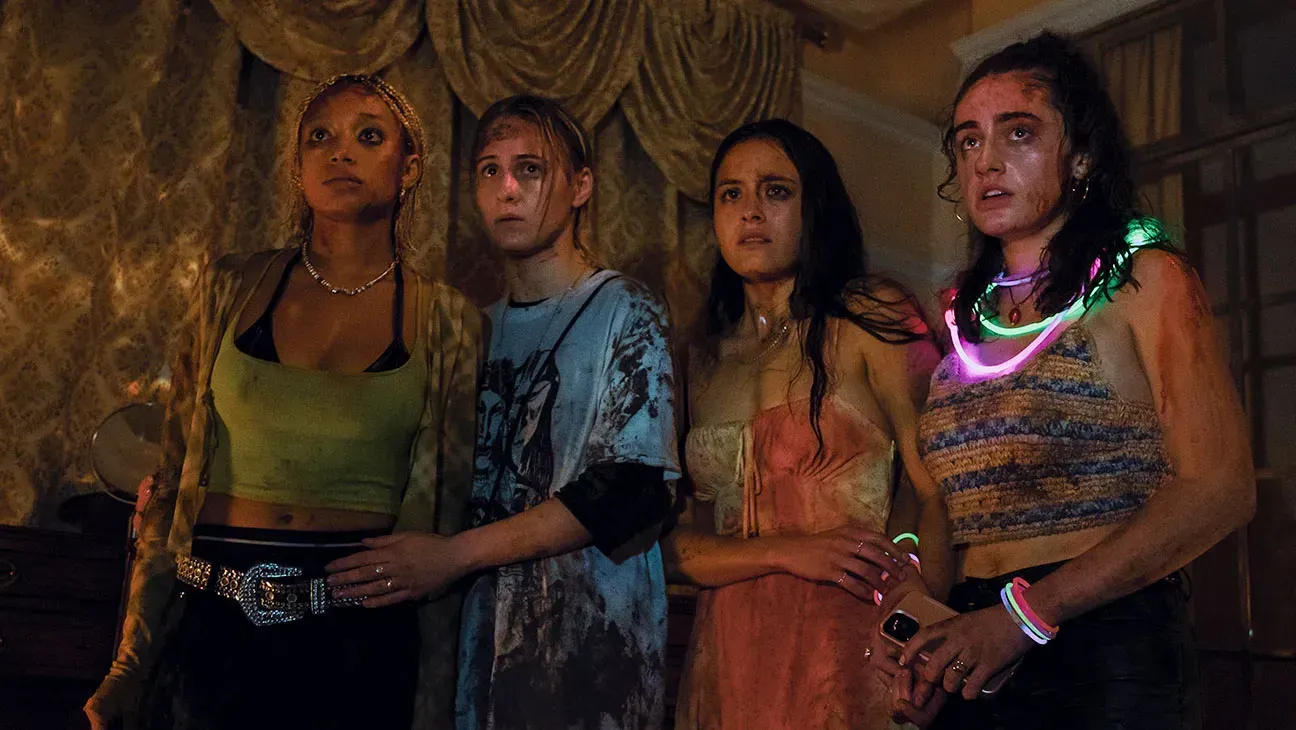
The most famous moment in horror is probably the shower scene in Psycho when a nude Marion Crane is brutally and rhythmically stabbed with a butcher knife. The scene’s present-day legacy is linked to the combination of female nudity and male violence, which carries a certain and very real socio-political weight that will be poignant as long as men rape. Like the genre’s benchmark scene, the best of horror derives from sociological sources. They tap into real fears instead of leaning on jump scares and cheap tricks like a crutch. This is why Jordan Peele’s Us and Get Out stand head and shoulders above top box office performers like Insidious: The Red Door and The Conjuring: The Devil Made Me Do It. The former’s scare techniques carry on after the credits, whereas the latter fade with the moment like a vapid magic trick. Dutch director Halina Reijn’s Bodies Bodies Bodies carries this baton—or perhaps, glowstick—as the most resonant slasher of the decade.
Five Gen-Z vicenarian women and two of their boyfriends party in a mansion during a hurricane. And yes, these are people dumb enough to throw a hurricane-rager. Sophie (Amandla Stenberg), a recovering addict with a habit for ghosting her friends, and Bee (Maria Bakalova, a Bulgarian breakout), a quiet and naive girl from somewhere in Eastern Europe, open the film with a steamy tongue-wrestling makeout. They haven’t been dating long, and Bee has never met Sophie’s long-standing friends. Their kiss pays off like a comforting token of affection before offloading the social pressure of meeting new—and not very likeable—people.
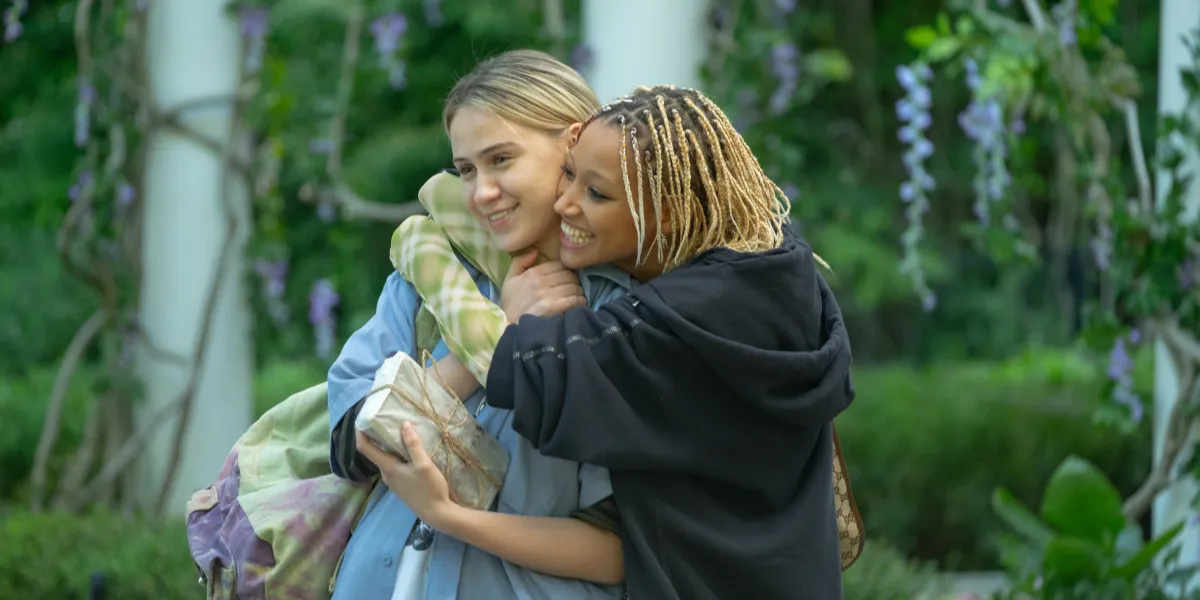
Alice (Rachel Sennott of Shiva Baby fame), the chronically obnoxious friend with a podcast, brings along a much older and off-putting newcomer named Greg (a poised Lee Pace). The only couple everyone seems to know is an amateur actor with a deep-seated need to be liked is Emma (a mesmerizing Chase Sui Wonders) and gaslighting #fuckboy David (Pete Davidson) who insists he “looks like he fucks.” Jordan (Myha'la) is the only person partying stag, though that doesn’t stop her from making advances on the other queer women. After some drinks and a little drama, they play the titular murder themed social deduction game and bodies turn from pretend to real on short notice.
These people suck. Full stop. Nobody likes anyone, the couples fight, gossip is their shared currency, and the men are either chauvinistic or borderline predatory. Not one of them should be trusted more than Bill Belichick to inflate a football. Only Bee, the naive but pitiful outsider, and perhaps Emma are even likeable, though the latter’s affectability might just be the charming leverage Wonders holds over this writer. In an interview with Complex, Reijn described her first Hollywood film as “Lords of the Flies meets Mean Girls.” It’s a fitting description for a slasher about eroding trust and booming division.
American political discourse huffs and puffs around the dialogue without ever becoming a fixture of the plot. The women hedge sentences with performative “wokeness” and insincere nods to political convictions without ever holding themselves accountable to the logically community-centered aspirations of their politics like shared trust, repentance, and honesty. Being labelled an ableist or racist is worse than being called a murderer to these Zoomers. David is the exception: he is a dick and proud of it, even gaslighting Emma about not gaslighting her in a scene written with a Twitter discourse attunement straight from the depths of Bean Dad and “Ghosting Is Rape” hell. None of this political posturing, to a relief, questions or isolates the queerness of many of the key characters the way that slashers so often do, perhaps a hint of Reijn’s European sensibilities.
Stop here to avoid key spoilers.