BBFF Dispatch # 2: Aurora and Red Code Blue
The old swallows the new.


The Boston Baltic Film Festival runs from Friday, 2/27 through Sunday, 3/1 at the Emerson Paramount Center, and through 3/23 virtually. Click here for the schedule and ticket info, and follow along with my multi-outlet coverage at Boston Hassle and There Were No Gods Left.
Aurora
Old wounds fester into new ones in Aurora. The Estonian film follows the titular woman, played by Maarja Johanna Mägi, as she navigates two loves—across two timelines—and a conservative religious family. Aurora and Joonas (Ott Kartau) celebrate their fifth wedding anniversary as a former lover (though not too former) reenters her life at the wrong time, revealing their now-ended extra-marital affair in the process.
As Western cultures become less religious, religion is often shown as black and white in cinema. It’s great to see a more nuanced story of trauma and love unfold in Aurora. Aurora’s family isn’t just religious; she is a pastor’s daughter. Her dad mostly means well, but he just can’t meaningfully connect with her. He speaks in violent analogies involving hammers and swords; she speaks in riddles of passion loaded with mystery rather than violence. They live in different worlds. His pastoral belligerence eventually gets the best of him when he makes a decision, together with Joonas, that reshapes the family forever. Co-directors Andres Maimik and Rain Tolk appear comfortable with the complex contradictions of the simultaneously nourishing and destructive religious culture. This might be most evident in the titular character herself, who never forsakes her faith and even prays with one of her extramarital lover’s other lovers.
Continue reading at the Boston Hassle.
Red Code Blue
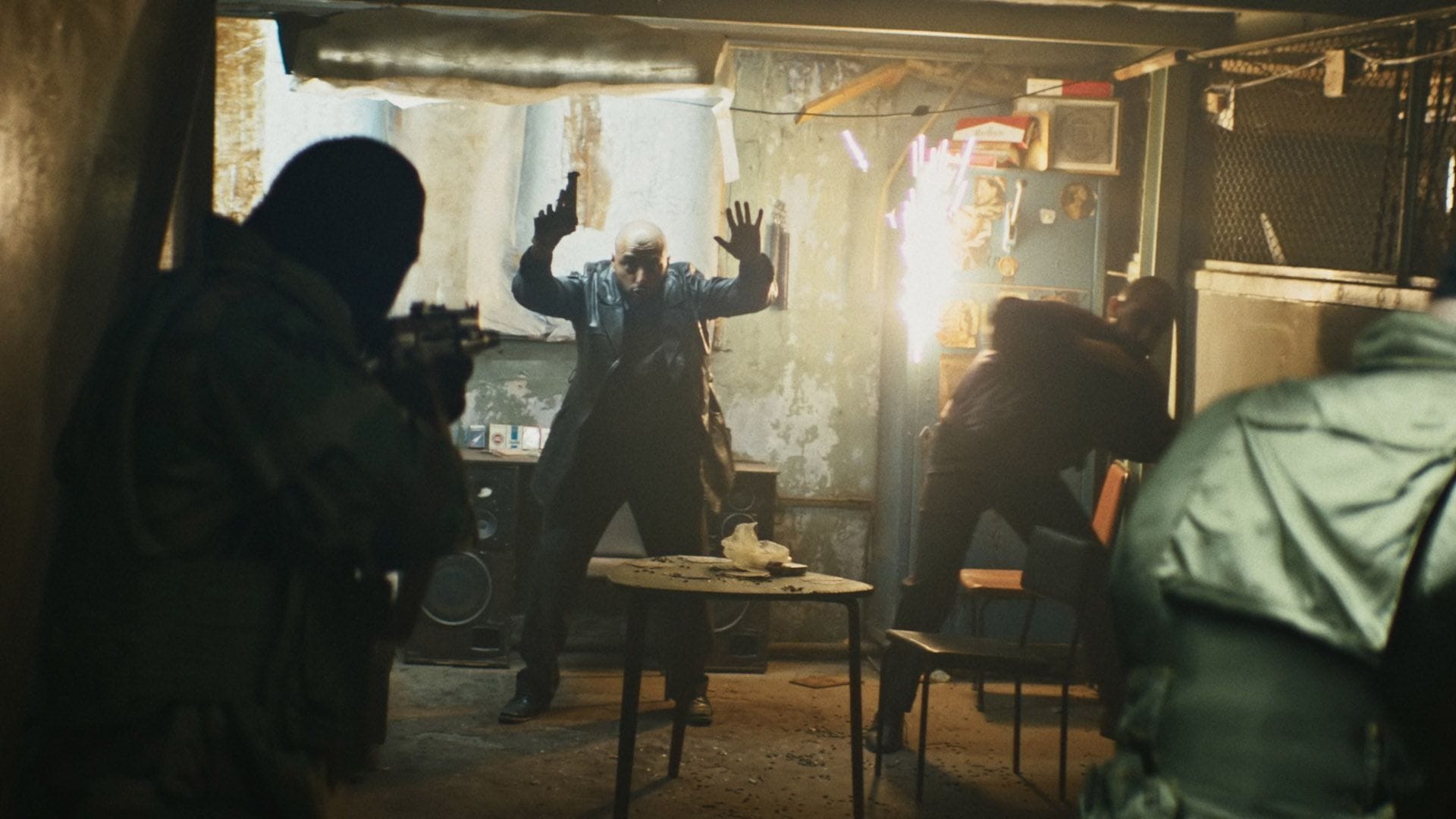
The early years of post-Soviet independence quickly became a favorite time period among Baltic filmmakers, and for good reason. It was a period typified by enthusiasm, trepidation, transition, and occasionally chaos. The murky uncertainty makes for a natural genre ally, and that’s what Oskars Rupenheits does in his second directorial effort. Red Code Blue, the fourth highest grossing film in the history of Latvia, mirrors the initial hopefulness and then cynicism of the period vicariously through an idealistic young cop.
Romāns Skulte (Raitis Stūrmanis) is new to his precinct in Riga. His co-workers predate the country’s independence, some by a few more decades than others. He comes as a man on a mission to do things the right way. No one else feels that same urge and he quickly makes a departmental pariah out of himself. His officer colleagues are corrupt, quick to pull the trigger, and even quicker to weasel out of work. At best, they are jaded versions of what he will become.
The sweeping crime epic holds its box office record for a reason. At a strong two and a half hours, Rupenheits gets plenty to work with as he slowly moves Romāns from an eager reformer to a hardened pessimist. It’s not a hopeful film, either. The system remains corrupt—inescapably so—at the film’s end. Going against the grain of the overarching police film genre, the egg isn’t bad; it’s the whole system that is broken. It produces nothing but bad eggs.
Continue reading at the Boston Hassle.