The Great Flood
A half-baked Korean science fiction thriller

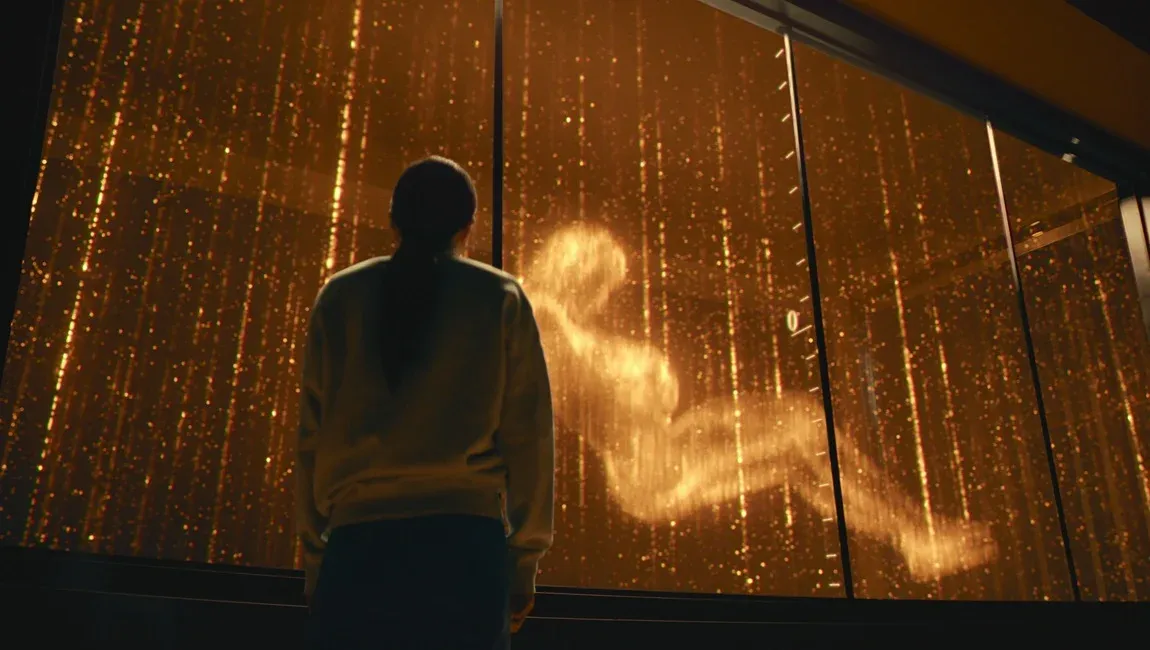
Kim Byung-woo’s fifth directorial effort, The Great Flood, first shows An-na (Kim Da-mi) resignedly trying to quell her six-year-old son Ja-in’s (Kwon Eun-seong) insistent and childish demands, before weaseling her way out of an unwelcome phone call with her own mother that she couldn’t wait to escape. The edit from one interaction to the other creates compelling tension between An-na as a mother and An-na as a daughter, while setting up the canonically required domestic subplot of the disaster genre. This particular family lives on the third floor of a large apartment building, so high enough that you don’t typically expect flooding issues. Unfortunately for them, a meteor crashing in Antarctica begins a new Diluvian age. This all offers a compelling enough setup to be sure, but the issue with The Great Flood is that it stops being about, well, the great flood about halfway through, and instead suddenly becomes a half-baked science fiction thriller caught up in concerns of the oh-so trendy Artificial Intelligence. The baffling transition zaps the last life from a thrilling disaster premise.
Kim Da-mi, whom many will recognize from The Witch (Itaewon Class, to K-drama viewers), appears to be acting in two different films, too. She plays a physically and mentally overwhelmed and desperate mother in the “first film,” willing to put herself on a ledge if it increases her kid’s survival chances, as she runs and climbs while wet and scared from one floor to the next. Her expressive eyes and distraught physicality sell the dangerous premise even without the film’s visual effects. The actress finds herself often led by an eye-level tracking camera that refuses to settle down, and she excels in the pressure-cooker that Kim Byung-woo places her within. Editors Kim Chang-ju and Park Min-sun cross the emergency flood of the present with a past point of aquatic-filled trauma for An-na and her family. It’s altogether boilerplate stuff for disaster flicks at this point, but that’s because it’s an effective way to charge the action with much more relatable emotional drama. In this case, that drama expresses itself in grief, allowing The Great Flood, at least for a moment, to let grief incarnate as a natural disaster.
Continue reading at In Review Online.