Fritz on Fridays: Clash by Night
A scandalous seaside noir

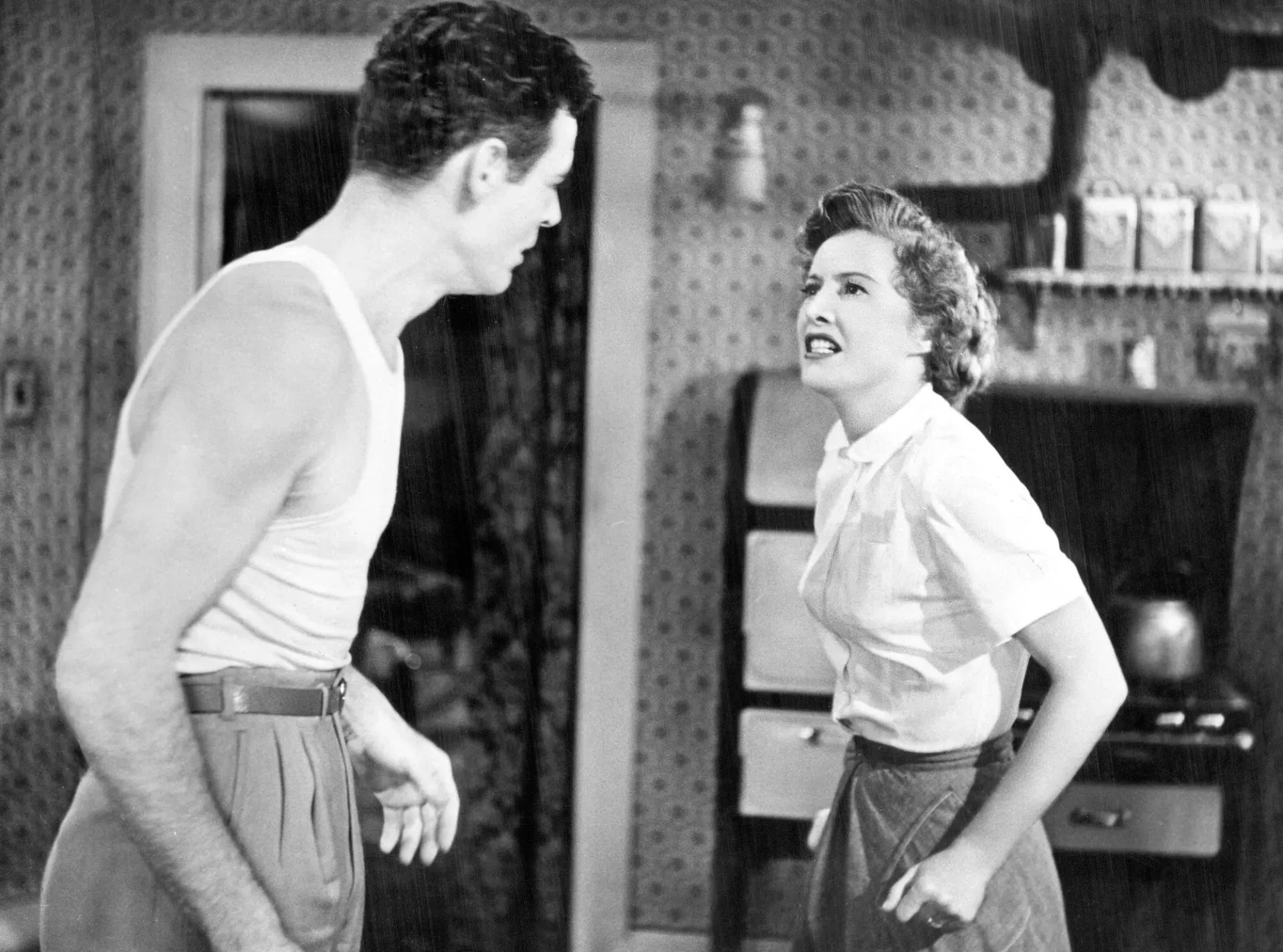
On the first Friday of every month, this column by critic Joshua Polanski will feature a short review or essay on a film directed by Fritz Lang (1890-1976), the great Austrian “Master of Darkness.” Occasionally (but not too occasionally), Fritz on Fridays will also feature interviews and conversations with relevant critics, scholars and filmmakers about Lang’s influence and filmography.
An insignificant film in one of the most significant filmographies of the 20th century, Clash by Night isn’t one of Fritz Lang’s best or best-known films. He reworks his favorite themes — jealousy, adultery, domestic abuse, etc. — and comes out with the absolute average of the rest of his films working with the same material. It’s not as mean and sadistic as Beyond a Reasonable Doubt. Neither is it as bleak as Human Desire nor as gracious and forgiving as You and Me or Secret Beyond the Door. Clash by Night is simply serviceable as a scandalous seaside noir.
Mae (Barbara Stanwyck) returns home to her idyllic fishing town in Monterey, California, after 10 arduous years away and to the disaffect of her brother, Joe (Keith Andes). Mae ends up marrying Jerry (Paul Douglas), a man she doesn’t particularly like, while involving more of herself than Jerry would like with one of his friends, Earl (Robert Ryan).
Neither man is interesting, romantic or even that good-looking. The script from Alfred Hayes (adapted from a novel by Clifford Odets) seems to think so, though, and doesn’t work too hard to understand why Mae would mix herself up with either, let alone both. Earl, who is supposed to be the alluring extramarital object of desire, is about as misogynistic and racist as the current sitting American president. He entertains his friends at the bar with a gross “Chinese impression” that is as winsome as film criticism is lucrative. Mae not only finds Earl enticing but even leaves her husband for him? The romantic world these characters occupy just doesn’t add up.
Continue reading at the Midwest Film Journal.