BBFF Dispatch # 1: Fränk, Borderline, and Flesh, Blood, Even a Heart
Part of the 2026 Boston Baltic Film Festival


Flesh, Blood, Even a Heart
“Why is dying such a clusterfuck?”
That’s what Liv (Ieva Segliņa) reluctantly asks her husband Marcis (Gatis Maliks) after her dad dies in Flesh, Blood, Even a Heart. Coffins are ugly and expensive, everyone at the hospital seems hellbent on making things harder, and even the washing machine “dies” on her. Liv’s father wasn’t a particularly good person, but there is a complicated sadness in his passing. More than a fair share of that melancholy comes from the past too, a past that neither erupted nor was forgiven while he was still alive.
As Liv processes her ex-pornographer father’s death, it’s her relationship with Marcis that captivates director Alise Zariņa. We’re introduced to them during couple’s therapy with a physical exercise that cinematographer Mārtiņš Jurēvics shoots with a similar vulnerability and closeness as a sex scene. It also happens to feel a lot like the bathroom sex they have later, with close-ups on their physically touching body parts (the same parts even). Even the sex isn’t quite right, and Marcis stops things early so his daughter won’t hear. He shields her from “trauma” at the cost of an increasingly cold shoulder to his wife. They love each other, but something is missing. As the world around her crumbles, she can only find blame in herself. They don’t kiss anymore, and Liv has creeping insecurities about her own beauty. Does he not find her attractive anymore?
Continue reading at the Boston Hassle.
Fränk
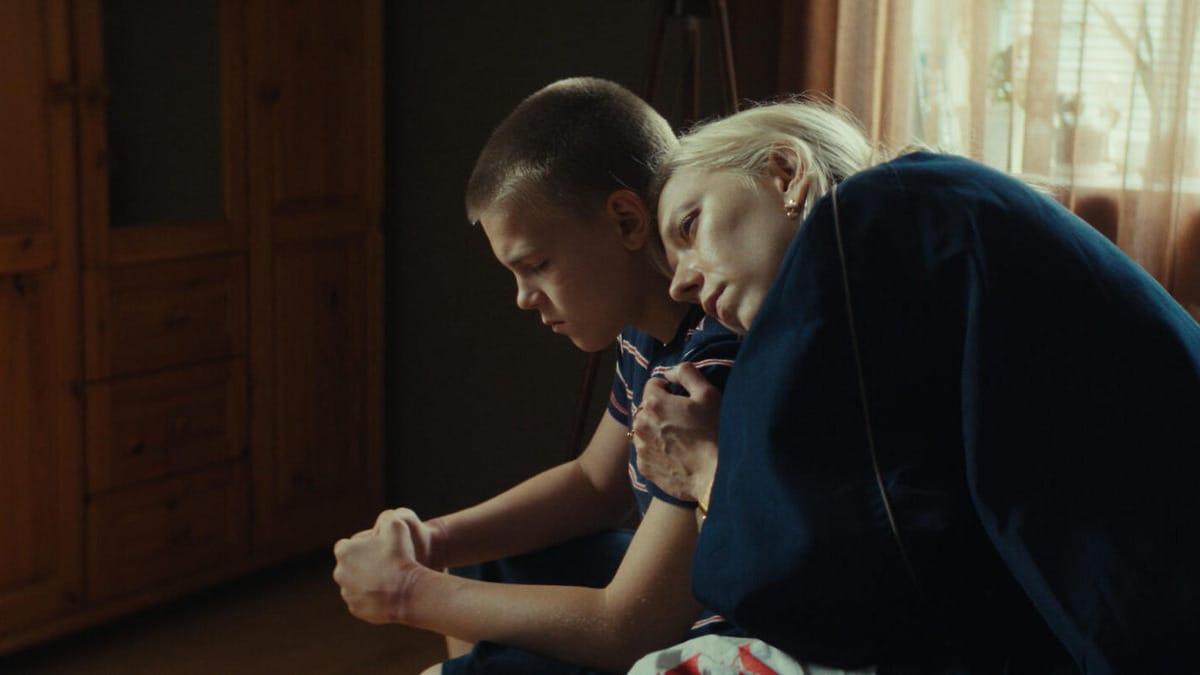
Frankenstein is everywhere these days. From Guillermo del Toro’s star-studded Netflix flick to Maggie Gyllenhaal’s more stylish The Bride!, the monster of Mary Shelley’s Frankenstein has returned in full to the movies. Estonian director Tõnis Pill brings the jolly monster to the Baltics in Fränk. Sort of…
Fränk is not actually an adaptation of Shelley’s novel, though there are monsters and a character named after Frankenstein (in the grand tradition of everyone thinking that is the monster’s name). Fränk (Oskar Seeman), whose real name is Sasha, is a towering disabled man with a slightly disfigured face and a glowing smile. The small town delinquent kids think he is a monster, hence why they (mis)name him after the canonical science-fiction beast. They are the real monsters. The gang of middle schoolers degrade him, beat him with sticks, and even mercilessly dump a bucket of paint on him from above in one of the film’s more heartbreaking scenes.
The real main character is Paul (Derek Leheste), a newcomer to the rural Estonia town after moving in with his uncle for the summer. He likes to play harmonica and quickly latches onto the other young boys in town. They are not good influences, to say the least, but gang-leader Jasper (Tõru Kannimäe) is the worst of them all. When they aren’t bringing misery to the innocent disabled man, the 13-year-olds pass their days drinking alcohol and huffing glue. The bluesy instrumentation of Paul’s harmonica (and Markus Robam’s score) sonically separate Paul from the others by always sounding just slightly out of place.
Continue reading at the Boston Hassle.
Borderline
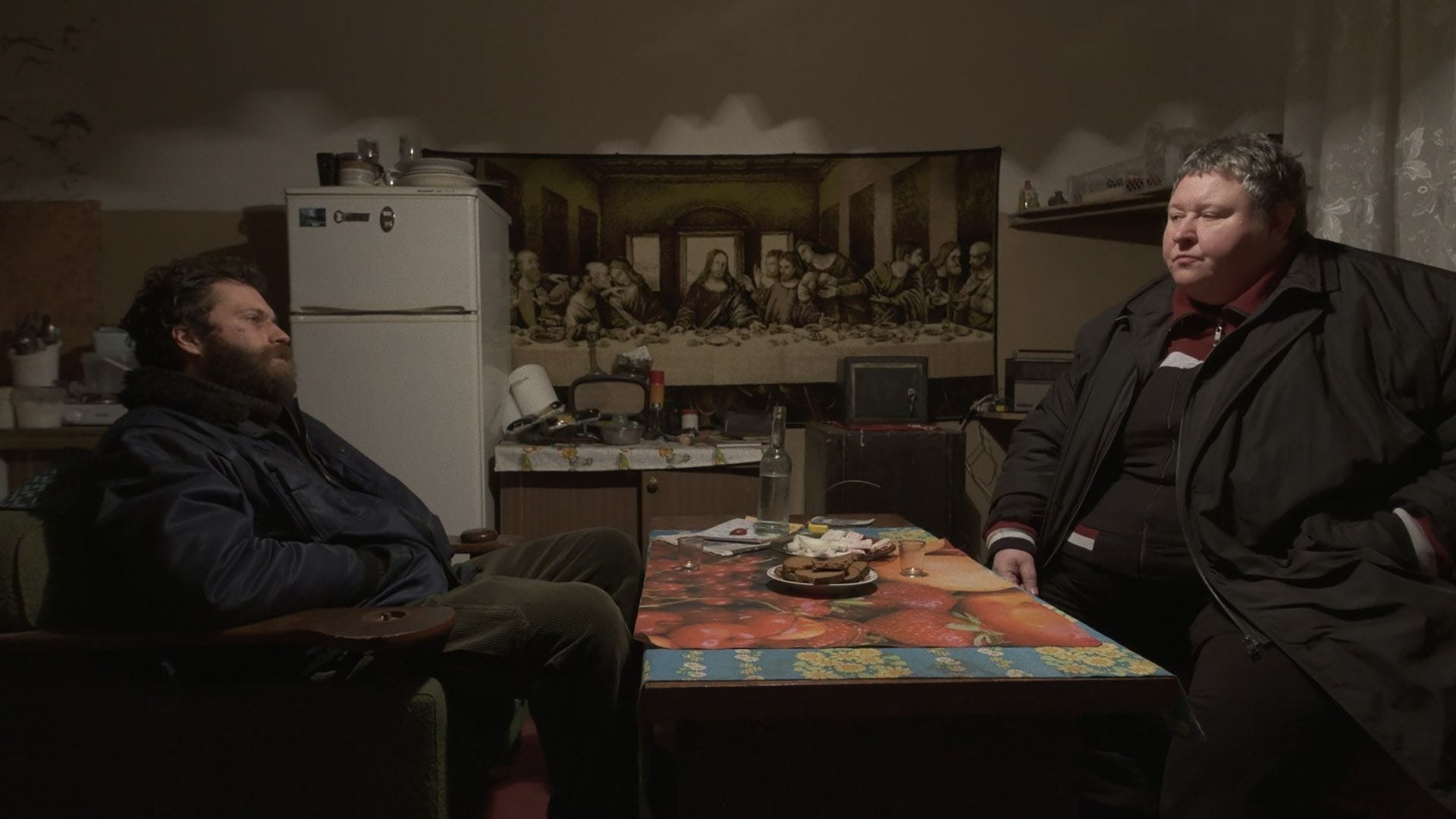
An easy way to hook an audience is with an original setting. That’s what director Ignas Jonynas does in his 2025 crime-thriller Borderline, which is also having its North American premiere on March 1. Set on the Lithuanian-Russian coastal border to the west, not the east, of the Baltic country in a town called Rusnė, the border is more like an unmovable bomb waiting to go off than it is like a character.
It’s an unusual place to set a film, in part because it’s a relatively small border in a less-populous part of the country. The Russian land, separated by the Nemunas Delta, is fully surrounded by European territory. The border exists in an anxiety between two worlds: one of stability and one of instability. A changing of season from fall to winter complements the betweenness of the geography too. The distinctive geography makes it a perfect match for the gritty and ominous noir subject material.
Vilius, played by Šarūnas Zenkevičius, who also has a prominent role in Renovation (also playing at this year’s festival), has a job almost as unique as the setting. He is an ornithologist, paid to track the migration of birds. (I thought this was an impossibly rare career until a few months ago, when I met someone with this job!) His daughter (Urtė Povilauskaitė) is mute and lives with mental disabilities.
Continue reading at the Boston Hassle.