A Russian Winter
Destined for controversy.

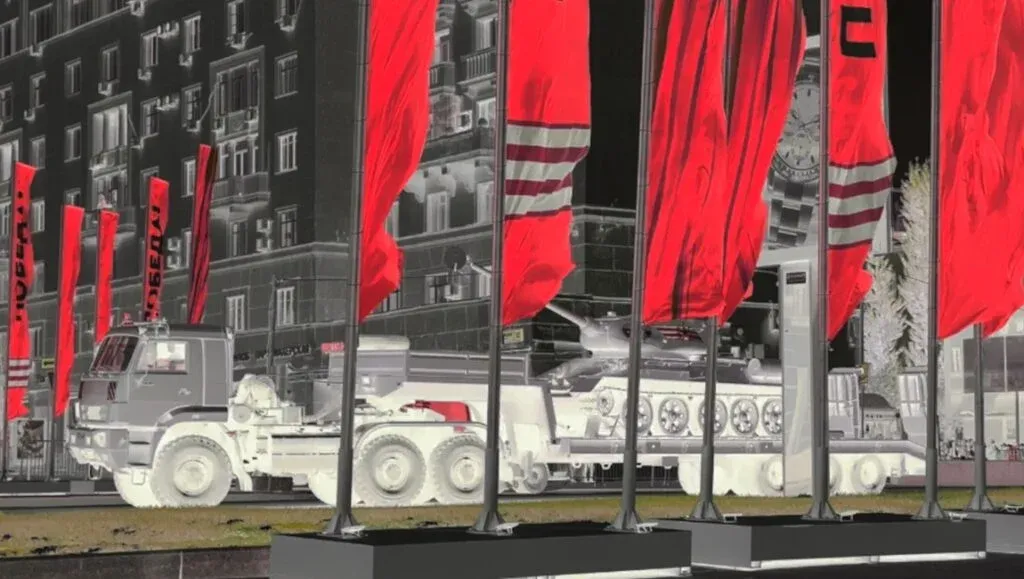
About a million Russians have left their country since the beginning of the full-scale invasion of Ukraine, fleeing the draft and/or political repercussions for dissent. To put the numbers into perspective, if all those people were to settle in a single American city, it would be right near the twelfth or thirteenth largest city in the United States. The novelty of Patric Chiha’s Russian-Ukraine war documentary lies in using these expatriates as its vantage point. A Russian Winter is unlike any other film about the war.
The conflict and its human cost intrigued Chiha, but after spending time in Ukraine in 2024 for a film festival and meeting Ukrainian filmmakers, he left, understandably, with a conviction: “It’s up to them to tell their story.” That’s how he arrived at telling a story that he was more equipped to tell, one of migrants and refugees adapting to life in new lands while conflict bubbles at home. Chiha, who lives in France but was born in Austria to Lebanese and Hungarian parents, knows a little something about migration and the way it shapes one’s identity. His documentary focuses on the lives of young Russians abroad as a glimpse into the itinerant and dispossessed lives of these “traitorous” expats, and the director spends most of the time with two platonic friends named Yuri and Margarita.
A Russian Winter is destined for controversy. Some will dismiss it for merely centering Russians and Russian speakers with no material connections to Ukraine. (The closest we get to this is one of the young men discussing watching footage of the war captured by Ukrainian soldiers.) But Chiha doesn’t set out to tell that story — nor does he erase Ukrainian voices in the process. This isn’t really a film about the war at all. A bigger problem isn’t the kinds of voices or what language they speak, but the voices themselves. The four lead subjects are, to varying degrees, living good lives, lack the rhetorical skills to adequately voice a full moral clarity, and instead speak in vague anti-warisms. Even their psychological trauma, if it can be called that, remains untapped.
Continue reading at In Review Online.